Keynote challenges assumptions about cancer screening
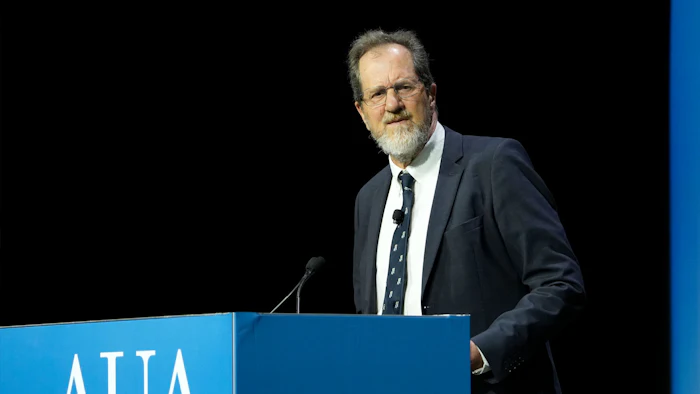
Ramon Guiteras lecturer H. Gilbert Welch, MD, MPH, explored overdiagnosis, survival statistics and the role of active surveillance in modern cancer care.
As cancer screening becomes increasingly sophisticated, distinguishing between early detection and overdiagnosis remains a critical challenge.
During the Ramon Guiteras Lecture, H. Gilbert Welch, MD, MPH, explored the growing challenge of cancer overdiagnosis—the detection of cancers that may never cause symptoms or threaten a patient's life. Dr. Welch argued that increased screening often leads to more diagnoses without necessarily reducing mortality, creating the illusion of improved outcomes through higher survival rates. He highlighted urology as a specialty that has embraced strategies to address overdiagnosis, citing active surveillance for low-risk prostate cancer and small renal masses as examples of using "the diagnostic value of time" to better understand disease behavior before intervening.
“If you look harder for cancer, you find more,” Dr. Welch said. “All medical students are taught that incidence is the true occurrence of disease, but it's not just that. It's influenced by how hard we're looking for cancer.”
For a deeper dive into Dr. Welch's insights into overdiagnosis and how to address it, read the full article here: The hidden cost of looking harder for cancer.