Expanding the APP role in urology
New AUA2026 programming blends clinical mastery, procedural training and career development.
Advanced Practice Provider (APP) programming is taking shape at AUA2026 with a few new changes and the same dedication to serving urology’s support specialists.
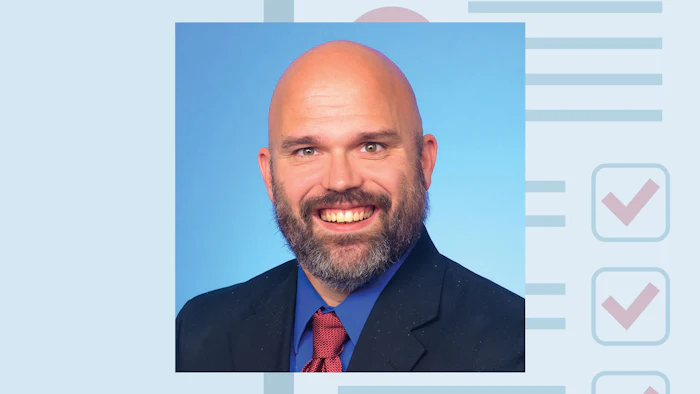
APPs, which include nurse practitioners, physician assistants, certified nurse midwives, certified nurse anesthetists and certified nurse clinical specialists, can expect a robust and forward-looking program designed to reflect their growing role in urological care, according to Program Co-Course Director J. Brandon Arruda, APRN, AGNP-C, CUNP. Arruda is a board-certified urologic nurse practitioner at West Virginia University Medicine in Morgantown.
“This year’s programming will give APPs the vigor and energy to return to their practices and engage in the most up-to-date, cutting-edge urology care,” Arruda said.
The APP programming at AUA2026 will feature updated clinical content, hands-on learning opportunities and expanded access to the broader conference. This year’s APP programming will span three half-days instead of the traditional two full days, Arruda said, to give attendees greater access to the meeting’s full scientific sessions.
The agenda balances clinical updates, professional development and practical tools APPs can immediately apply in their practices, he said, tackling such topics as mastering prostate imaging and practical management of novel bladder cancer with antibody-drug conjugates and immunotherapies.
“One of the discussions I’m most excited about is on managing cases you see the most,” Arruda said. “So, we’ll focus on common things such as urinary tract infections, hematuria, elevated PSA and lower urinary tract symptoms. It’s important that we take time to make sure our foundational knowledge remains sharp on the common illnesses seen in the urology space.”
Sessions will explore both diagnosis and management, even factoring in the care of older adults who may present with atypical symptoms such as confusion or altered mental status associated with urinary tract infections, he said.
According to Arruda, the session will include discussions of prostate cancer and key considerations in treatment choices.
“For example, experts will address whether active surveillance has become the ‘new normal,’” he said.
One of the most anticipated highlights of this year’s APP programming, Arruda said, is the session featuring Jim Kavorik, PA-C, the APP coordinator at The University of Kansas Health System in Kansas City, Kansas. His session, The Future Is Now: APPs and Clinical Procedures—Where Is That Yellow Line, focuses on the expanding procedural role of APPs in urology.
“This is going be an excellent session because the AUA is endorsing APPs moving into the world of performing cystoscopies,” he said. “As part of that, the AUA is offering a hands-on event during AUA2026 that teaches APPs how to manipulate and utilize a cystoscope to do clinic cystoscopies.”
APP programming is designed to meet the needs of APPs at all career stages—from those new to urology to mid-career clinicians and those nearing retirement—with opportunities for learning, leadership development and networking throughout.
“Urology is such a unique specialty, one where we blend surgery and chronic disease management. It is a deeply collaborative practice, and one that I have been passionate about for over a decade,” said Arruda.
For the APP programming list, use these links: