The future is now: genetic testing in urologic oncology
Genetic data is shaping treatment protocols and what the future holds for personalized medicine.

The field of urologic oncology is undergoing a transformation driven by the integration of genetic testing into routine clinical practice. As the understanding of germline and somatic mutations expands, genetic profiling is influencing cancer screening, treatment selection and family risk assessment in ways that were once unimaginable.
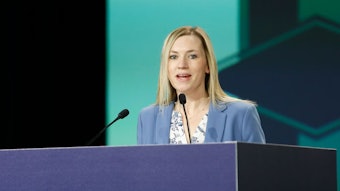
At AUA2025, Adam Kibel, MD, chair of urology at Mass General Brigham in Boston and the Elliot Carr Cutler Professor of Surgery at Harvard Medical School, will join Neal Shore, MD, FACS, Peter Black, MD, FACS, FRCSC, and Mark Ball, MD, FACS, for a plenary lecture exploring the evolving role of genetic testing in urologic cancers. “Panel Discussion: Genetic Testing in Urologic Oncology: Now and the Future—The Future Is Now” will highlight the latest evidence supporting expanded genetic screening and explore how biomarker-driven treatment strategies are shaping the future of patient care.
Genetic testing: A game-changer for urologic cancers
Recent research has demonstrated that universal germline testing reveals pathogenic variants in one out of eight patients with a genitourinary (GU) malignancy. This includes prostate, bladder and kidney cancers, with a substantial number of patients testing positive who would not have been screened under existing guidelines.
Dr. Kibel said prostate cancer is leading the way when it comes to genetic testing integration. “BRCA2 is clearly associated with increased risk, so it can identify a high-risk patient population,” he said. “It also predicts response to certain drugs, particularly PARP inhibitors,” which are now standard of care for some patients with metastatic prostate cancer.
Beyond prostate cancer, renal cell carcinoma (RCC) and bladder cancer (TCC) are also seeing expanded use of genetic testing. “For individuals with a strong family history or an early-onset diagnosis, genetic testing is becoming a key part of the clinical workup,” he said.
Personalized treatment based on genetic findings
The incorporation of germline and somatic testing into treatment algorithms is already standard practice for certain subsets of urologic cancers.
For bladder cancer, germline mutations have been found in approximately 20% of cases, with a notable link to Lynch syndrome and DNA repair gene alterations. Although definitive testing guidelines do not yet exist for bladder cancer, Dr. Kibel said early-onset cases and strong family histories should raise red flags for potential hereditary predisposition.
Barriers to genetic testing: awareness and accessibility
Despite its increasing importance, genetic testing is still underutilized in urology. Dr. Kibel identifies awareness as a primary barrier. “Many urologists are simply not aware that genetic testing is now in the guidelines,” he said. “Additionally, access to genetic counselors remains a challenge.”
Educating practicing urologists and streamlining access to testing and counseling services will be critical in ensuring that patients and their families receive the full benefits of genetic risk assessment.
Looking ahead at the role of AI and expanded genetic screening
As genetic sequencing becomes more affordable, Dr. Kibel envisions a future in which genetic screening is universally applied to all individuals—not just cancer patients.
“We can imagine a day when everyone is tested for their risk of all diseases—cancer, cardiac disease, diabetes—and then we can develop personalized prevention and screening strategies,” he said.
Artificial intelligence (AI) and bioinformatics will play a pivotal role in this transformation.
“AI will be able to better identify risk, develop mitigation strategies and communicate results effectively to patients,” Dr. Kibel said.
For urologists looking to deepen their understanding of genetic testing and its clinical applications, this plenary session is a must-attend event. AUA2025 attendees will gain valuable insights into how genetic data is shaping treatment protocols and what the future holds for personalized medicine in urologic oncology.